


Protecting your flock: A guide to vaccinating lambs against clostridial diseases
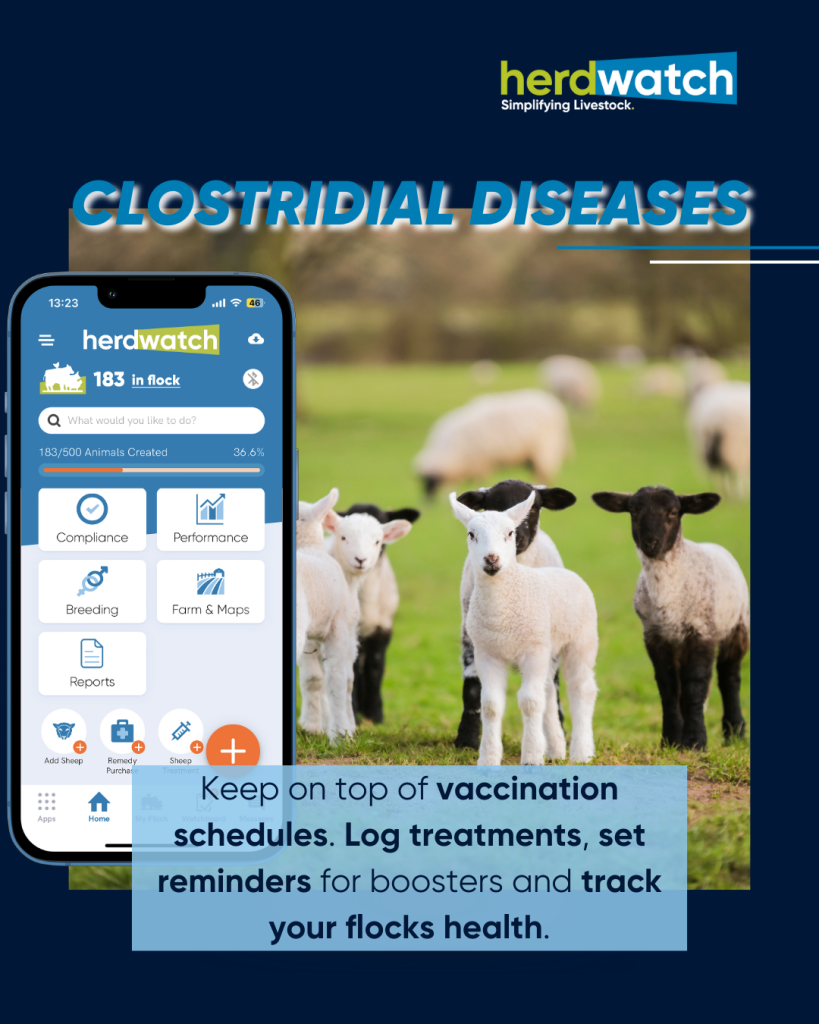
Ensuring the health and vitality of your lambs is paramount for a successful and productive flock. One critical aspect of sheep health management is safeguarding against clostridial diseases, rapidly progressing illnesses caused by Clostridium bacteria that can lead to sudden death in otherwise healthy animals. Implementing an effective vaccination program is key to preventing these devastating diseases.
Understanding clostridial diseases
Clostridial diseases are caused by various species of Clostridium bacteria, which are commonly found in soil and the gastrointestinal tract of sheep. Under certain conditions, these bacteria can multiply rapidly, producing potent toxins that cause severe illness or sudden death. Notable clostridial diseases affecting sheep include:
- Enterotoxemia Type C: Also known as hemorrhagic enteritis or “bloody scours,” this disease affects lambs during their first few weeks of life, leading to a bloody infection in the small intestine. It’s often related to indigestion and can be triggered by sudden dietary changes.
- Enterotoxemia Type D: Referred to as “overeating disease” or “pulpy kidney disease,” it typically strikes the largest, fastest-growing lambs, especially those on high concentrate diets or nursing from high milk producing ewes.
- Tetanus (Lockjaw): Caused by Clostridium tetani, this disease is often associated with wounds from procedures like docking and castration. It leads to muscle stiffness and can be fatal if untreated.
The importance of vaccination
Vaccination is a highly effective method to protect lambs from clostridial diseases. By immunising ewes before lambing, passive immunity is transferred to lambs through colostrum, offering early protection during their most vulnerable stages.
Recommended vaccination protocol
- For in-lamb ewes:
- Initial vaccination: Administer a primary course of two doses, 4-6 weeks apart.
- Annual booster: Give a booster dose 4-6 weeks before lambing to ensure high antibody levels in colostrum, providing passive immunity to newborn lambs.
- For lambs:
- From vaccinated ewes: Lambs receive initial protection through colostrum. Begin their vaccination course at 6-10 weeks of age with two doses, 3-4 weeks apart.
- From unvaccinated ewes or colostrum deprived: Administer a tetanus antitoxin shortly after birth, especially before procedures like docking or castration. Start the vaccination series earlier, as advised by a veterinarian.
Best practices for vaccination
- Proper handling: Ensure vaccines are stored and handled according to manufacturer instructions to maintain efficacy.
- Hygiene: Use clean needles and administer injections subcutaneously in the neck area to minimise tissue damage.
- Record keeping: Maintain accurate records of vaccination dates and products used to track immunity status and schedule future doses.
Implementing a strategic vaccination program against clostridial diseases is essential for the health and productivity of your flock. By vaccinating ewes prior to lambing and following up with appropriate lamb vaccinations, you can significantly reduce the risk of these often fatal diseases. Consult with your veterinarian to tailor a vaccination schedule that best suits your flock’s specific needs and local disease prevalence.
Using Herdwatch for smarter flock management
Keeping on top of vaccination schedules can be challenging, especially during busy lambing season. Herdwatch makes it easier by allowing you to log treatments, set reminders for boosters, and track the health history of each animal right from your phone. It’s a practical way to stay organised, ensure compliance, and make informed decisions that support the long term health of your flock.