


Farm Smart: From 500 to 1,000 Ewes: How One Lincolnshire Farm is Scaling with Smarter Records
Lincolnshire sheep farmers Jamie and Louise Charlton are building a performance-driven flock at Braceborough Lodge Farm — and use Herdwatch to record every lambing in real time, track flock genetics, and scale with confidence.
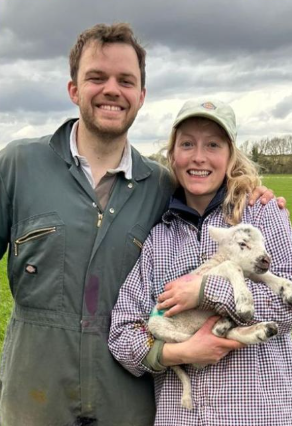
Jamie and Louise Charlton took on Braceborough Lodge Farm in Lincolnshire in 2023 with a clear vision — to build a progressive, performance-driven sheep enterprise from the ground up. Today, they are lambing 500 ewes across 250 acres. Their ambitions, however, go further still. Meet Jamie and Louise Charlton, whose practical approach is shaping the next phase of growth on the farm.
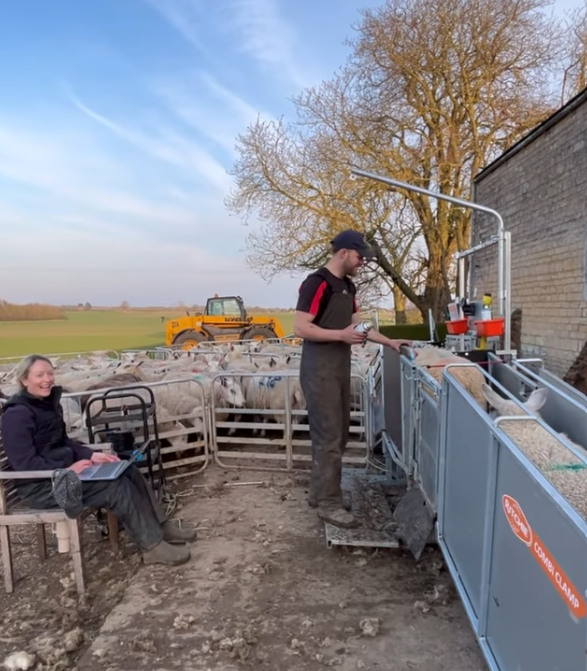
Becoming an Innovis Stud Farm — a step up in scale and complexity
A major milestone for the Charltons was becoming an Innovis Stud Farm, multiplying Aberfield and Abertex ewes and rams. This represented a significant step up from their previous commercial flock. As a result, the current system now includes multipliers, terminals, and youngstock — adding complexity but also real opportunity.
Consequently, with performance now at the heart of every decision, accurate records quickly became essential. The system they had before simply could not keep up.
Why spreadsheets were holding them back
Before Herdwatch, Jamie relied on spreadsheets to manage flock records. However, the reality of day-to-day lambing season made it almost impossible to keep them accurate.
Recording events after the fact led to gaps in the data — particularly around treatments and flock performance. Furthermore, those gaps made it harder to make informed breeding and culling decisions at the end of the year.
Recording every lambing in real time
That all changed when Jamie introduced Herdwatch during lambing season. Instead of catching up at the end of the day, every event is now recorded at the moment it happens. In particular, recording lambing ease, mothering ability, milkiness, and each lamb’s details has transformed how the farm manages progeny and improves flock performance.
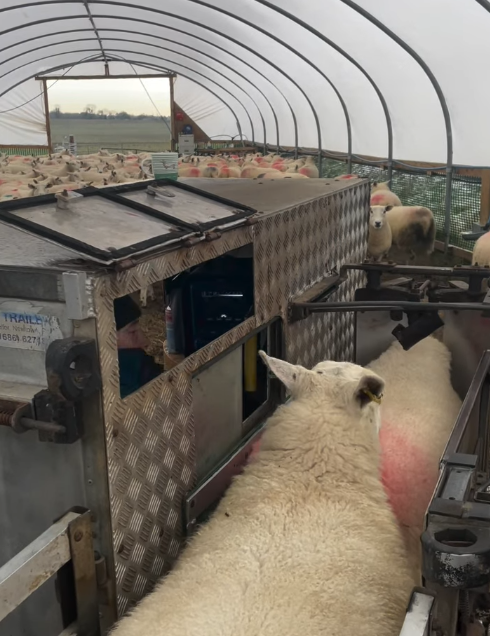
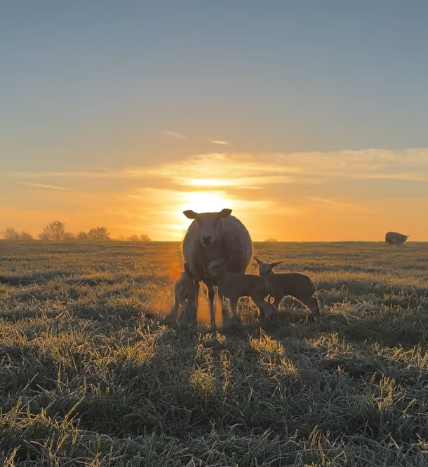
Real-time recording has improved accuracy, reduced stress during the busiest periods, and made the whole record-keeping process far more efficient. Moreover, the data collected during lambing directly feeds into breeding decisions — helping the Charltons build a more prolific, higher-performing flock year on year.
Breeding records and medicine book — the two features making the difference
Two features in particular stand out on the Charltons’ farm. Breeding records allow Jamie to track performance across the full cycle — from lambing through to weaning and sale — giving him the data he needs to identify the best ewes and rams for the next generation.
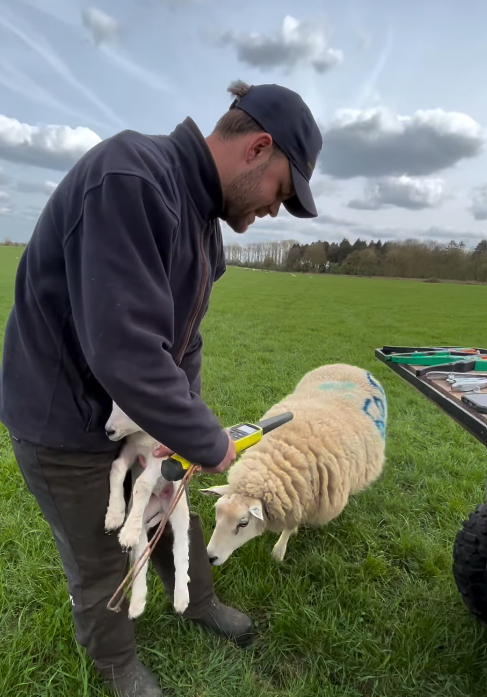
In addition, the medicine book has removed the need for backdating treatments entirely. Everything is recorded at the time of treatment, making compliance straightforward and audit preparation stress-free. Tools like an EID reader in the yard make it even easier to connect the right animal to the right record at the right moment.
- Lambing records — ease, mothering ability, milkiness, and lamb details captured in real time
- Breeding records — track progeny performance across the full cycle
- Medicine book — treatments recorded at the time, no backdating required
- Team access — multiple users on the same account for consistent records
Shared access keeps the whole team aligned
As the business grows, strong communication and shared visibility across the team have become increasingly important. Herdwatch supports this directly — multiple team members use the same account, ensuring records are consistently updated regardless of who is working on the farm.
With everyone recording jobs as they go, nothing gets missed. As a result, the Charltons have a complete, reliable picture of the flock at all times.
Building a diverse and resilient business
Beyond the sheep enterprise, Jamie and Louise have broader ambitions for Braceborough Lodge Farm. Their plans include expanding the flock to 1,000 ewes by 2028, developing a farm shop, and introducing B&B pigs. It is an ambitious vision — and one that depends on having practical systems in place to support growth at every stage.
For Jamie and Louise, Herdwatch is not just a record-keeping tool. It is the foundation that allows them to scale with confidence — knowing that accurate, real-time data is always there when they need it.
You can read more real farmer stories on our farm case studies page.
Scale your flock — without losing track
From 500 ewes to 1,000 and beyond, the Charltons are using Herdwatch to record every lambing, track breeding performance, and keep the whole team working from the same accurate data.
“Monitoring performance is vital in the progression of our flock.”
Join Jamie, Louise, and over 22,000 farmers using Herdwatch to simplify flock records and make better decisions every day.