


Testimonials from real Herdwatch users!
See how real farmers across the UK use Herdwatch to save time, reduce paperwork and run more efficient, data-driven farms. From dairy and beef to sheep and finishing units, these are genuine stories from people who use Herdwatch every day.
Prefer to talk? Call us on 020 3773 2763 to speak to a Herdwatch farming specialist.
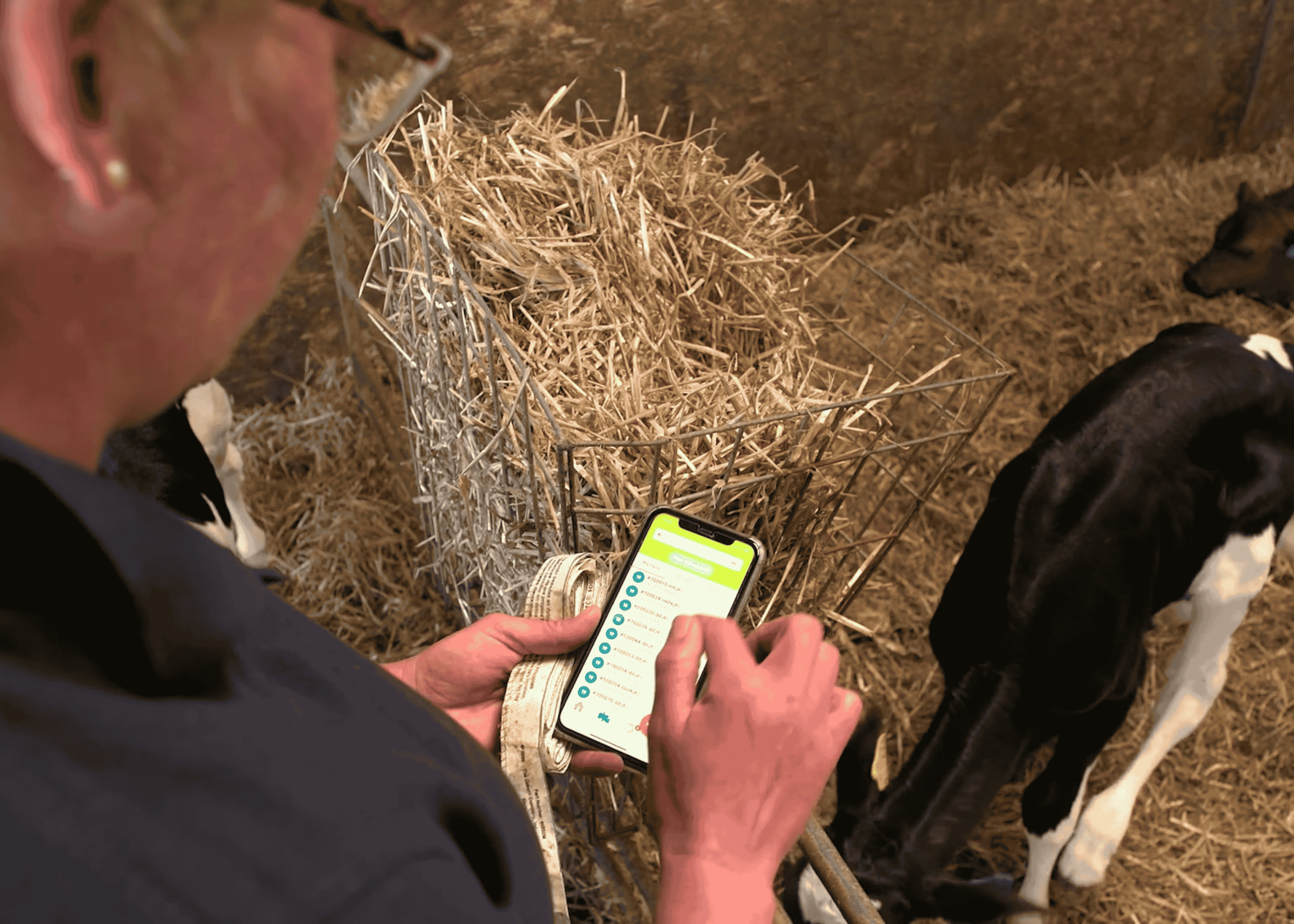
Browse testimonials by farm type
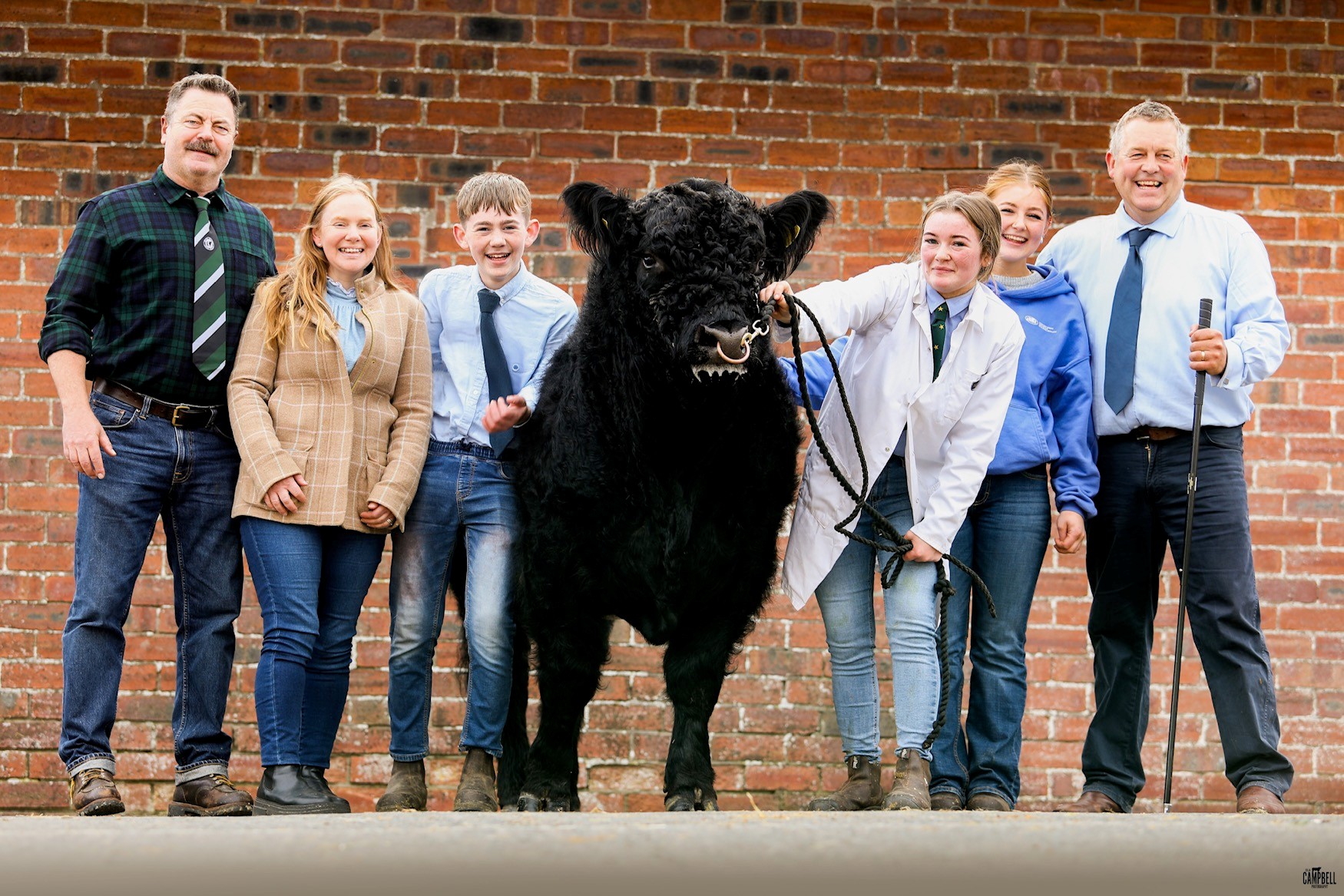
James Rebanks
Regenerative Hill Farmer, Cumbria
400 Herdwick sheep | 50 Belted Galloway cattle | 600-year family farming legacy
What makes running your farm unique today?
We farm at Racyghill in Cumbria, where my family has worked the land for generations. Today, the system is built around regenerative grazing, with around 400 Herdwick sheep and 50 Belted Galloway cattle. Over time, we’ve moved from a simple field system to more than 60 paddocks to improve grass recovery, soil health, and overall resilience. The focus is on profit per acre, not profit per animal, while still protecting the landscape and the long-term future of the farm.
Why did you start using Herdwatch?
Like many farmers, a lot of our records used to live on paper, in notebooks, or in spreadsheets, and too much of it was pulled together when we needed it rather than when the job was done. I wanted something that could keep up with a more advanced system and give me accurate information when I needed it. Herdwatch gave me a way to record treatments, breeding, calf registrations, weights, movements, and pasture records in real time. “Our medicine book — we used to make it up when we had an inspection. Just like every other farmer.”
How do you use Herdwatch and Herdi on a day-to-day basis?
Herdwatch is now part of how I manage the farm day to day. I use it for remedy purchases and usage, calf registration, breeding records, weights, movements, and compliance paperwork. The big shift is that information is recorded there and then, rather than being written down and dealt with later. I also use Herdi a lot for farm costings, profitability comparisons, scenario planning, breeding decisions, and asking questions based on my own farm data. “It’s like getting a second brain.”
What difference has Herdwatch made to the farm?
The biggest difference is that records have gone from being something you keep for compliance to something you actually use to make better decisions. Good data helps me identify underperforming animals, improve breeding, and run a more profitable livestock system. It has also taken a huge amount of stress out of inspections, because the information is there when I need it. “For that, you need brilliant data and very good at-your-fingertips analysis.” Herdwatch helps keep the farm organised so I can focus on the land, the livestock, and the future.
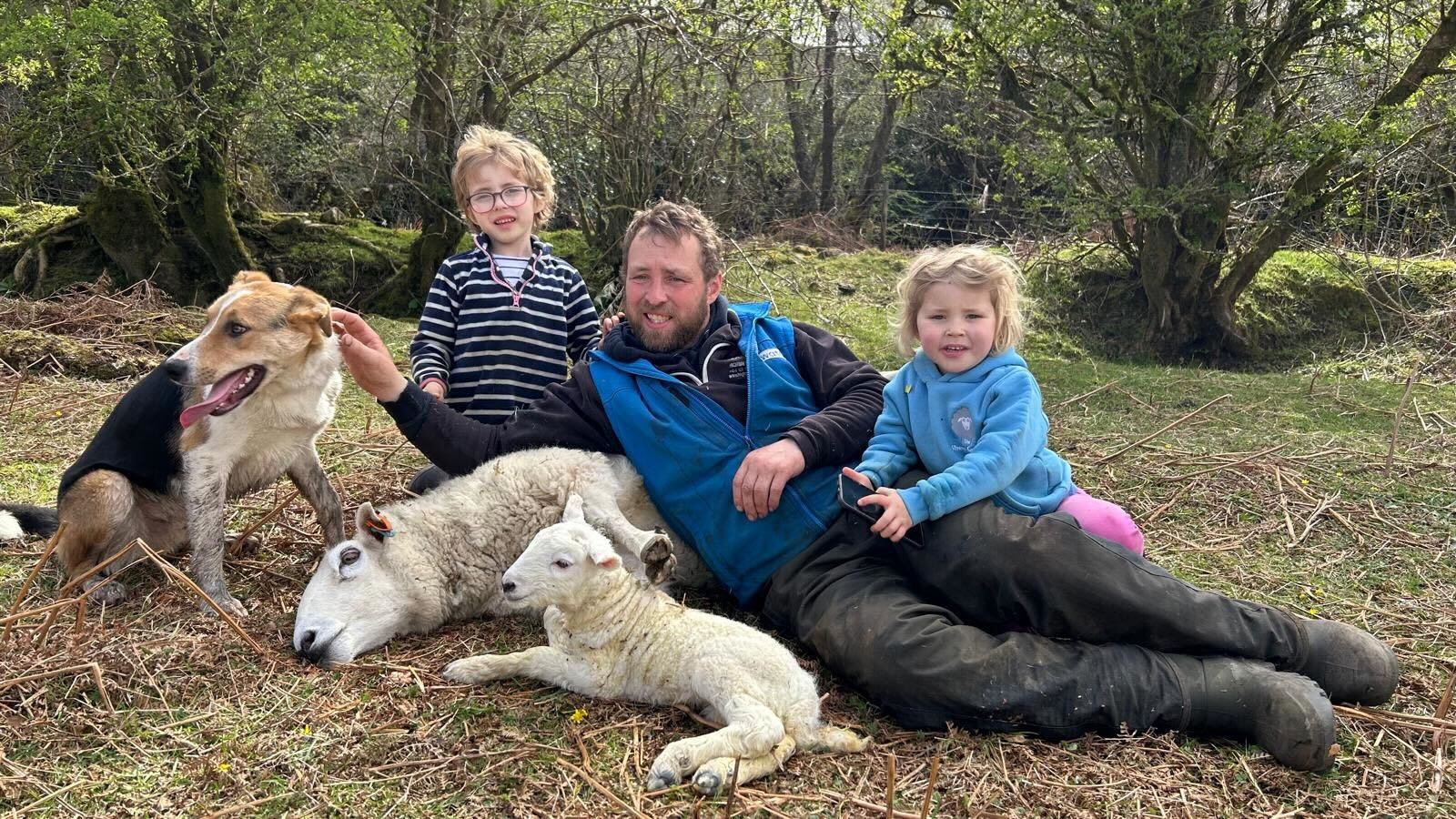
Callum Lindsay
Hill Sheep & Suckler Farmer, Isle of Arran
4,500-acre upland hill block | 850 ewes | 45 Galloway cows
What makes livestock management challenging on your farm?
We farm in a tough upland hill environment on Arran, with livestock spread across vast ground that may not be seen every day. Managing multiple tupping groups, tracking ewe performance, and staying on top of Farm Assurance requirements is essential to keeping the system workable. Paperwork was also a major challenge for me personally, as traditional notebook recording created unnecessary stress and time pressure.
Why did you move from paper records to Herdwatch?
The main draw was that Herdwatch made paperwork far more stress free and less complicated. Instead of digging out information from loose paper or medicine books, everything is recorded digitally and kept up to date in real time. “You’re not sitting down two days before your QMS inspection trying to make up a medicine record. Everything is there.”
How do you use Herdwatch day-to-day, especially at lambing?
Herdwatch underpins almost every part of livestock management here. At lambing time, we use it to record problem ewes, track difficult lambings, and group animals accordingly. That helps inform culling decisions and maintain flock productivity. “If we didn’t have the ability to record, we wouldn’t know if a ewe had lambed, lost a lamb or needed an adoption.” We also record lamb losses from predation, allowing decisions to be based on evidence rather than guesswork.
What impact has Herdwatch had on efficiency and reducing pressure?
The biggest benefit is saving time and reducing stress. Both myself and my wife use the app, so records are shared, accurate, and easy to print when needed — with no trail of loose paper. “Anything that takes stress and time pressure out of the day-to-day makes a big difference.” The support has been huge too — if there’s ever an issue, you can phone and get guidance straight away. It makes you feel like part of the Herdwatch family.
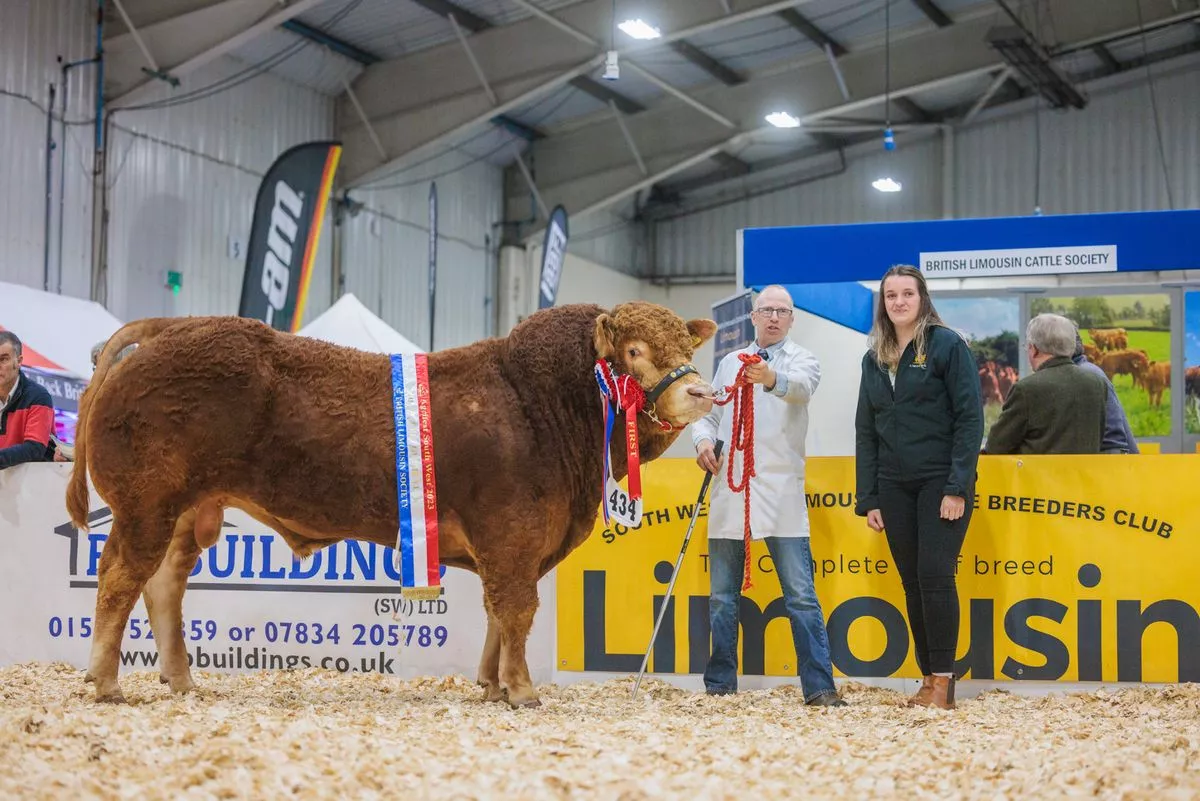
Christopher Neale
Suckler & Sheep Farmer, Wilkey Down Farm, Cornwall
700-acre farm | 150 suckler cows | 450 ewes + finishing enterprise
What makes your farming operation unique?
Wilkey Down Farm is a large, family-run business in Cornwall, specialising in both suckler cattle and sheep. We run 150 suckler cows, including pedigree Limousin and Angus, bucket-feed 150 calves, and manage a flock of 450 ewes. We also buy in around 1,000 hoggs annually for finishing, making it a well-diversified operation. We take great pride in quality breeding and sustainable farming, with strong success in livestock competitions and sales.
Why was better record-keeping and compliance important?
We participate in the Red Tractor Assurance Scheme and the CHECS Health Scheme, both of which require rigorous compliance and accurate records. Previously, keeping on top of paperwork meant handwritten logs, manual tracking, and time-consuming administration — especially for calf registrations through the BCMS website.
How did you first discover Herdwatch?
I first heard about Herdwatch through a customer who visited the farm to purchase a bull. They recommended it as a way to simplify farm management. Once I tried the app, I quickly realised how much time it could save and how much easier it made record-keeping.
What difference has Herdwatch made to daily management and inspections?
Herdwatch has transformed how we manage the farm. We now use it for: - Calf registrations directly through the app - Medicine recording and treatments - Weight recording and performance tracking - Farm compliance and audit preparation Passing inspections has become much easier because all the data is available instantly, whether in the field or in the office. “Passing farm inspections has been so much easier with Herdwatch… All the data is there whenever we need it, and we can show it to the inspector on the spot.” It keeps everything organised, removes paperwork, and makes compliance straightforward. I would highly recommend it to other farmers.

Melissa Timmis
Pedigree Hereford Suckler Farmers, Moor Farm, Shropshire
50 pedigree breeding cows | Grass-fed system | Direct-to-consumer farm shop
Can you tell us a bit about your farm and system?
Moor Farm has been in the family since 1919 and is now run by Mike and Hazel Timmis alongside their daughter Melissa and her husband Dan. We manage a pedigree Hereford suckler herd, now largely grass-fed, with most finished cattle sold directly through our on-farm shop. It’s a system built on quality, sustainability, and traceability.
Before Herdwatch, what challenges did you face with records?
Paperwork was becoming a real burden. Calf registrations meant logging into multiple platforms, and performance notes were often written down and updated later. Without real-time data, it was harder to make quick decisions and easy to fall behind.
How do you use Herdwatch day-to-day?
Now we log everything as we go — calf registrations, medicine records, movements, and Weight Insights. Weight tracking has been especially valuable, giving daily gain figures and highlighting animals that may not be thriving.
What difference has Herdwatch made?
Herdwatch has removed stress and double-handling completely. Records are always up to date, compliance is easier, and inspections are far less worrying because everything is available instantly. It’s simple, effective, and we’d strongly recommend it to other farmers.
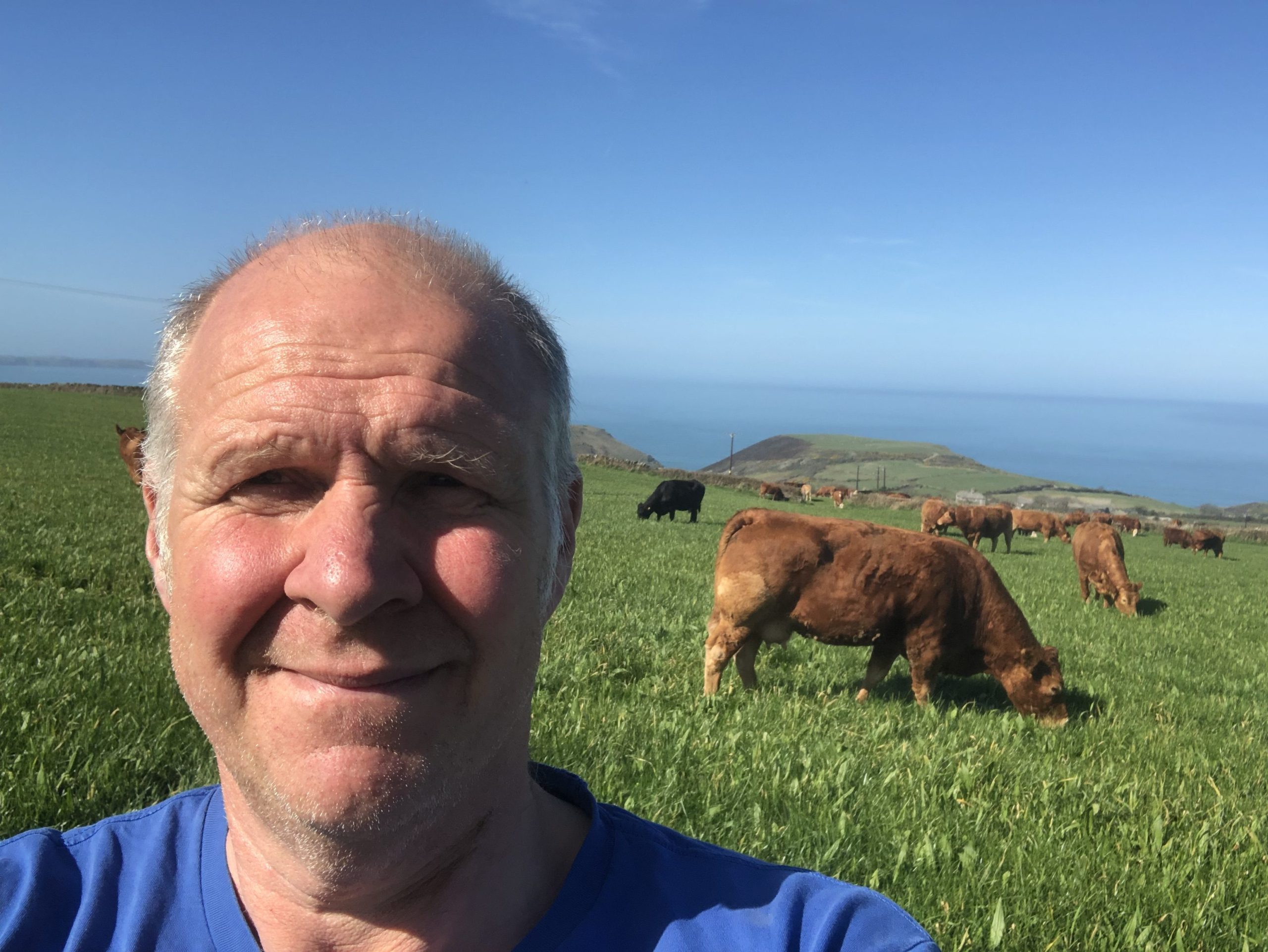
Stephen Davey
Suckler-to-Finish Farmer, Home Farm, North Cornwall
380 acres | 400 cattle | 140-cow breeding herd
Can you tell us a bit about your farm and the system you run?
We run Home Farm in North Cornwall as a family operation alongside my son Martin and my wife Gill. Farming has been in the family for four generations, and we’re proud to keep building on that heritage. The farm covers around 380 acres and carries roughly 400 cattle, including a breeding herd of 140 cows. We operate a suckler-to-finish system, supported by an arable enterprise that helps provide feed for the cattle. Our main breeds are Limousin and Hereford, and we’ve been focusing more on Herefords recently because of their good temperament and efficient finishing traits.
Before using Herdwatch, what were the biggest challenges with paperwork and records?
Before Herdwatch, we were relying on paper-based systems alongside Farm Plan software, and it was easy for information to become scattered or delayed. Tasks like recording medicine purchases, treatments, or herd events could take time, and there was always the risk of losing notes or not having everything ready when needed. We wanted something simpler, more reliable, and easier to keep on top of as the farm continued to improve and expand.
How do you use Herdwatch day-to-day, and which features matter most?
Herdwatch has become an essential tool on the farm. We use it to record everything in real time, including: - Births and deaths - Animal movements - Heats and services - Pregnancy diagnosis and breeding cycles - Medicine purchases and treatments - Full herd records at the touch of a button One of the biggest benefits has been Weight Insights, which allows us to track growth rates clearly and make better decisions about performance and finishing. Stephen places a strong focus on regular weighing and monitoring, and having weight gains visualised through simple charts on the phone has really improved decision-making.
What difference has Herdwatch made to inspections, efficiency, and peace of mind?
One of the standout benefits is how much easier Herdwatch makes inspection preparation. All records are organised, accessible, and ready instantly, which makes the process far smoother — inspectors appreciate how clear the data is. It’s also been a huge advantage that both myself and Martin can access and update records simultaneously on our phones. That collaborative approach means nothing gets missed and everything is captured accurately as it happens. Overall, Herdwatch has transformed how we manage the farm — improving efficiency, strengthening compliance, and supporting better herd management every day.

Andrew & Siobhan Beresford
Commercial Sheep Farmers, Nottinghamshire
70-acre grass farm | Closed flock of 140 ewes | Indoor lambing system
Can you tell us a bit about your farm and the system you run?
We run a 70-acre sheep and grass farm in Nottinghamshire on restored open cast mining land. Our focus is on sustainable sheep farming, with a closed flock of 140 commercial ewes and Blue Texel rams brought in to introduce strong genetics. Lambing is managed indoors during February and March, and we aim to finish lambs primarily off high-quality grass-based pasture. Alongside the sheep enterprise, we also produce and sell hay locally, which helps diversify the business. We’ve also invested heavily in improving the land through grassland, hedgerow, and soil management as part of the Sustainable Farming Incentive (SFI) Pilot scheme.
Before using Herdwatch, what were the biggest challenges with records and flock management?
Like many sheep farmers, we were relying on paper records, which can quickly become cumbersome — especially during lambing when everything is happening at once. We wanted a more accurate and accessible way to record key events like treatments, lambing details, and movements, so that information wouldn’t be lost or forgotten and could be used properly for future decision-making.
How do you use Herdwatch day-to-day, and which features matter most?
We started using Herdwatch about a year ago, initially during lambing season, and it’s now become an indispensable tool on the farm. We use it to record: - Lambing events and ewe performance - Treatments and health issues - Deaths and movements - Weight recording and growth tracking - Grouping ewes by age or pregnancy status - Recording lambing details as we mark lambs helps build a long-term picture of flock performance. “We know more about the health of individual ewes, which helps us make decisions about problems and treatments and breeding from them in the future.” Weight gain data is also key for planning sales and adjusting feeding if lambs aren’t hitting targets.
What difference has Herdwatch made to decision-making and peace of mind?
The biggest benefit has been having animal history and health records instantly available. It’s already been extremely useful for vet visits and medication reviews, and we feel far more prepared for future inspections because all our drug and treatment records are organised digitally. Herdwatch has helped us move toward more data-driven decision-making, improving efficiency and flock health while supporting the long-term profitability of the business. As we continue exploring the app’s features, we expect even greater benefits going forward.

Elise Sutton
Organic Longhorn Farmer, Cherry Lodge Farm, Wiltshire
Oldest Longhorn herd in the UK still registering females | 50 pedigree sucklers | 650 acres
Can you tell us a bit about your farm and the system you run?
I manage Cherry Lodge Farm on Salisbury Plain in Wiltshire, an operation owned by Natural England and rooted in conservation and sustainable farming. We run an organic, pasture-fed suckler herd of Longhorn cattle, grazing across 650 acres of species-rich downland at Parsonage Down National Nature Reserve. The herd has been reared here since the early 1930s and is the oldest Longhorn herd in the UK still registering females. Our system is entirely grass-based — no concentrates — with all forage made on-farm from hay meadows and herbal lays. The cattle play a key role in supporting biodiversity through conservation grazing, and we also sell beef directly through a boxed beef scheme.
Before using Herdwatch, what were the biggest challenges with paperwork and farm organisation?
The farm relied on paper records for a very long time, and managing everything manually took up huge time and created unnecessary pressure. As the sole person responsible for the farm’s admin, keeping track of medicines, treatments, weights, breeding groups, and inspections could easily become overwhelming — especially when working across large mobs of cattle in a conservation grazing system. We needed a more streamlined way to stay organised and make decisions based on accurate information.
How do you use Herdwatch day-to-day, and which features matter most?
We’ve been using Herdwatch for just over two years now, and it has become an indispensable tool. The biggest advantage is that multiple team members can access records directly from their phones out in the field. “The fact that it’s accessible to multiple users in the field makes all the difference.” We use Herdwatch for: - Recording medicine purchases and treatments instantly using the QR scanner - Tracking withdrawal periods and inspection-ready remedy records - Regular weighing using a weigh head and EID reader - Monitoring daily weight gain and performance KPIs - Breeding and bulling group organisation - Drafting animals efficiently with printed group lists “If we are administering any vet meds, we can put it on the app there and then… it’s fantastic for inspections.”
What difference has Herdwatch made to efficiency, decision-making, and peace of mind?
Herdwatch has completely transformed how I manage the farm — it’s made record-keeping faster, clearer, and far more reliable. Having accurate weights, medicine history, and performance data instantly available allows me to make better decisions about which animals to keep, sell, or group. It also removes stress around inspections, because everything is stored in one place and updated in real time. “Having all the knowledge and information in my hands, wherever I am, is invaluable.” For a farm balancing conservation grazing, pedigree breeding, and direct beef sales, Herdwatch helps keep everything efficient, organised, and future-focused.
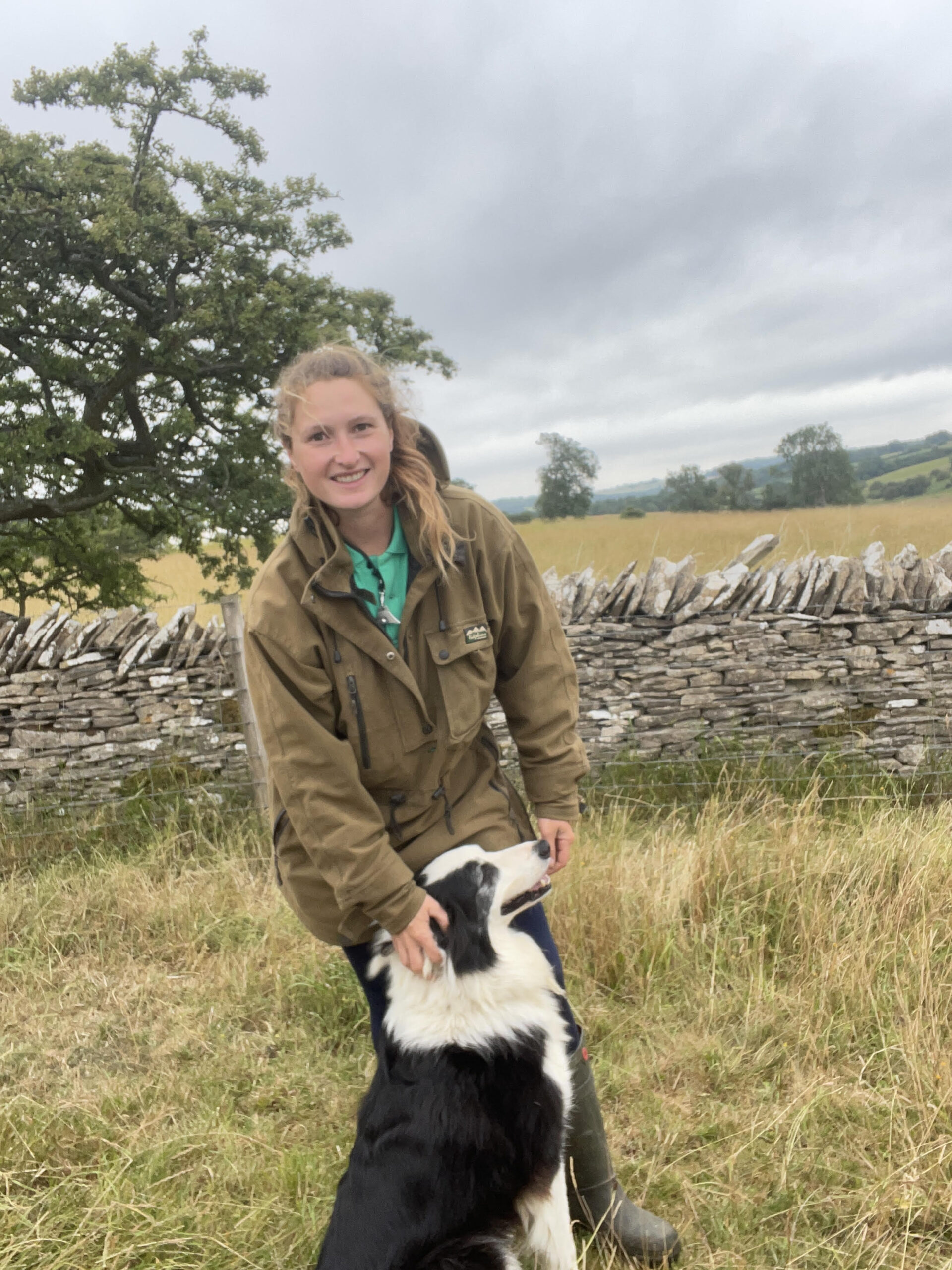
Ellen Helliwell
Contract Shepherdess & Sheep Farmer, The Cotswolds
Mixed hill-breed flock | 30–40 acres rented land | Shepherdess23 on Instagram
Can you tell us a bit about your farming work and the system you run?
I’m a contract shepherdess and farm worker living in the Cotswolds with my partner Rob and our young daughter, Hetty. I grew up on a National Trust hill farm in the Peak District, where we reared sheep and pedigree Belted Galloway cattle, which gave me a real passion for hill farming and conservation. Alongside contract work on different farms — vaccinating, lambing, shearing and more — I also run my own small flock on rented ground. I farm hardy hill breeds, mainly Swaledales, with a few crosses, because they thrive outdoors and suit poorer-quality land. Even though the flock isn’t huge, it’s a well-managed system, selling lambs through the summer and autumn and trading stores toward Christmas.
Before using Herdwatch, what were the biggest challenges with records and organisation?
Lambing season and medicine recording can be hectic, especially when you’re juggling work across different farms and running your own flock. Before Herdwatch, I was tracking treatments on two different calendars to avoid missing withdrawal dates, and I often ended up with notes scattered across my phone or bits of paper. It made staying organised more difficult than it needed to be, especially when inspections or audits came around.
How do you use Herdwatch day-to-day, and which features matter most?
I’ve been using Herdwatch for about four years, even back when it was mainly cattle-focused. One of the biggest reasons I chose it is that it works seamlessly on any smartphone — no extra equipment needed — and support is always there if you get stuck. I use Herdwatch for: - Logging medicines and treatments quickly - Checking withdrawal periods instantly - Recording lambing events and ewe issues - Tracking adoptions and fostering - Keeping breeding ewe history clear year to year - Running reports for inspections “Herdwatch is a massive help when it comes to inspections. Everything you need is all in one place… it’s also legible — no coffee marks or dodgy spelling!”
What difference has Herdwatch made to efficiency and peace of mind?
The biggest benefit is having everything consolidated in one place, which makes decision-making quicker and the flock more efficient. “Herdwatch has helped me to streamline my breeding ewes and make sure that I remember any issues that have arisen throughout lambing or during the year.” It saves huge time, removes stress around inspections, and helps ensure nothing gets forgotten during busy periods. I recommend Herdwatch to other farmers all the time — it’s made a real difference to how I manage my flock and my workload.

Guy Ford
Dairy Farmer, Manley Old Hall Farm, Cheshire
220 hectares | 320 Kiwicross/NZ Holstein cows | Spring block-calving system
Can you tell us a bit about your farm and the system you run?
Manley Old Hall Farm is a family-run dairy operation in the heart of Cheshire, managed in partnership with my parents. We milk around 320 Kiwicross and New Zealand Holstein cows, selected for their robustness and productivity. The farm operates across 220 hectares, with a 95-hectare milking platform at the centre of the system. We run a spring-calving 10-week block, which is an intensive period that requires strong planning and teamwork. Our cows yield an average of 5,500 litres, with milk quality and constituents being especially important for our market.
Before using Herdwatch, what were the biggest challenges with paperwork and herd recording?
Before Herdwatch, we relied heavily on paper records, which were time-consuming and prone to errors. Missing batch numbers or forgetting key inputs was a common issue, especially during busy periods like calving and breeding. We needed a system that would reduce the paperwork burden, improve accuracy, and make herd data easier to access and organise.
How do you use Herdwatch day-to-day, and which features matter most?
I’ve been using Herdwatch for the past eight years, and it has become an indispensable tool on the farm. We use it to record everything in real time, including: - Births, deaths, and calf registrations - Movements and compliance records - Heats and serves - Batch registering for calves and breeding events - Breeding history and decision support - Multi-user access for the team The ability to review historical breeding data helps us make better decisions about which straw to use on which cows, improving breeding outcomes. Having everything recorded on mobile devices keeps information accurate and up to date.
What difference has Herdwatch made to efficiency, audits, and work-life balance?
Herdwatch has made herd management far more efficient, particularly when it comes to audits and compliance paperwork. “One of the biggest advantages of Herdwatch is its ability to handle the paperwork side of audits efficiently… reducing the hassle and time spent on paperwork.” All records are organised automatically and accessible instantly, which saves huge time during the busiest parts of the year. But the greatest benefit by far has been spending more time with family, rather than catching up on paperwork in the evenings. “Herdwatch is an extra pair of hands… with all the important information at the touch of a button whilst on the move.” It’s a tool I wouldn’t be without, and I recommend it regularly to discussion groups and other farmers.
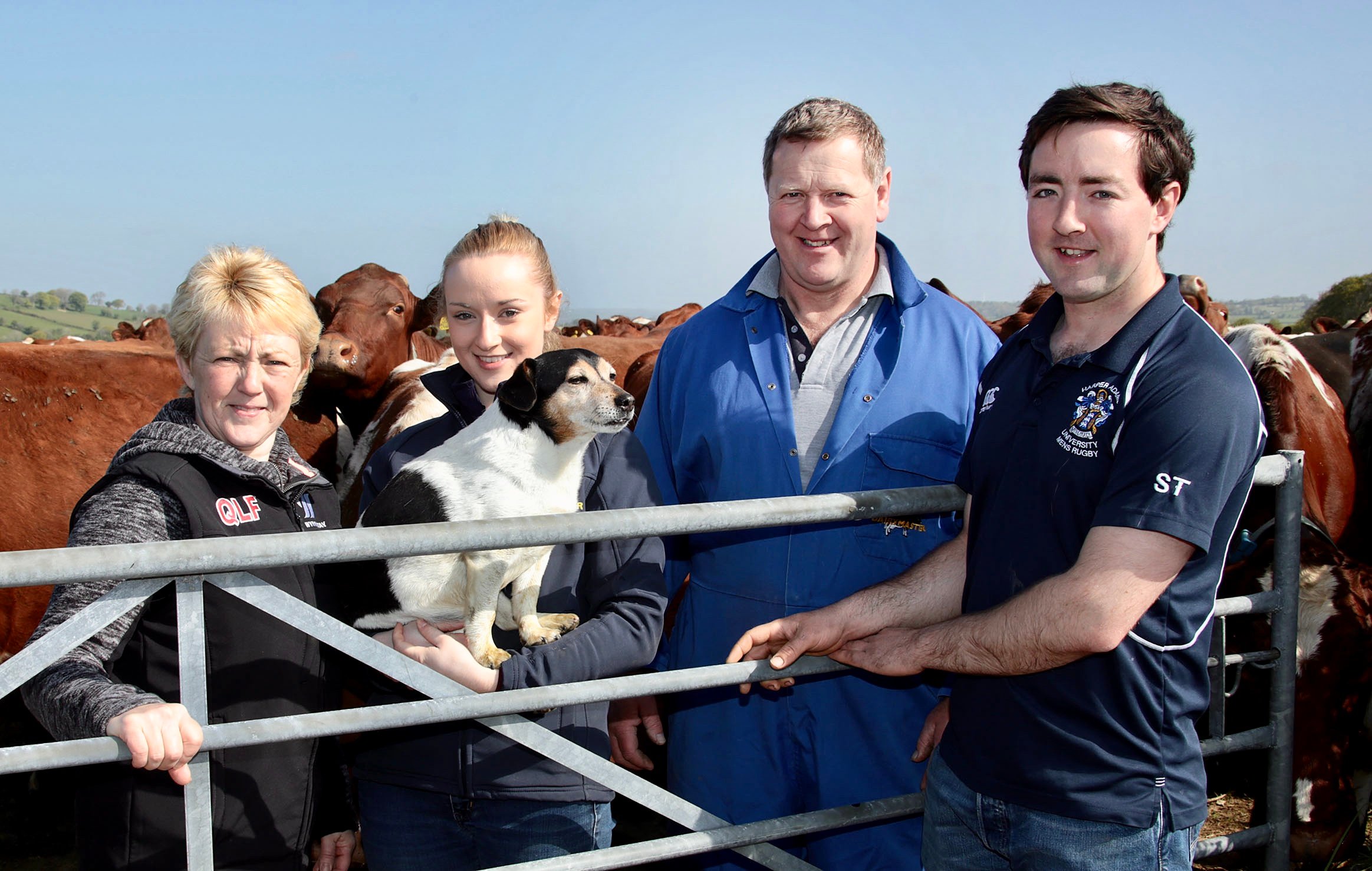
Sion Thomas
Dairy Shorthorn Farmer, Pembrokeshire, West Wales
1,200-acre family farm | 750 cows | Split spring/autumn calving system
Can you tell us a bit about your farm and the system you run?
We farm in Pembrokeshire, West Wales, as a family partnership involving my parents, my wife, and our children. I’m a fourth-generation dairy farmer, and our herd represents over 70 years of dedicated breeding. We milk around 750 Dairy Shorthorn cows, a breed we value for easy calving, long productive lifespans, strong milk yields, and excellent feed efficiency. The herd runs on a split calving system, with about 60% calving in spring and the remainder in autumn. This supports a consistent milk supply year-round and fits well with our extensive grazing-based system.
Before using Herdwatch, what were the biggest challenges with managing records and efficiency?
Before Herdwatch, we were using a mix of complex software alongside written records, which made it harder to keep information simple, accessible, and up to date. With a herd of this scale, recording births, deaths, movements, and compliance information needs to be efficient — and we wanted a system that the whole family and staff could use easily without adding extra workload.
How do you use Herdwatch day-to-day, and which features matter most?
We’ve been using Herdwatch for over five years, and it has transformed daily farm management. We rely on it for: - Recording births, deaths, and movements quickly - Batch registering large groups of calves - Breeding notifications for heats and repeats - Action lists for vet checks and scanning - Quick access to Milk Insights like SCC and yield - Mapping paddocks and recording fertiliser, manure, sprays, and reseeding “I love the batch registration as we register a big group of calves together.” “The biggest benefit of Herdwatch is having all the cow’s information in your pocket.” Having records accessible instantly makes managing such a large herd far more practical.
What difference has Herdwatch made for inspections, compliance, and peace of mind?
Preparing for farm inspections has never been easier. “Herdwatch gives exceptional action list/reports before your farm inspection.” Inspectors have commented positively on how clearly medicine usage and compliance records are laid out, which gives real confidence that everything is correct and ready when needed. It provides peace of mind knowing that all the information is organised, accurate, and available at your fingertips — whether you’re in the field, the yard, or the shed. As regulations evolve, especially around pasture management and inputs, Herdwatch helps us stay ahead while continuing to focus on efficiency, animal welfare, and long-term sustainability.
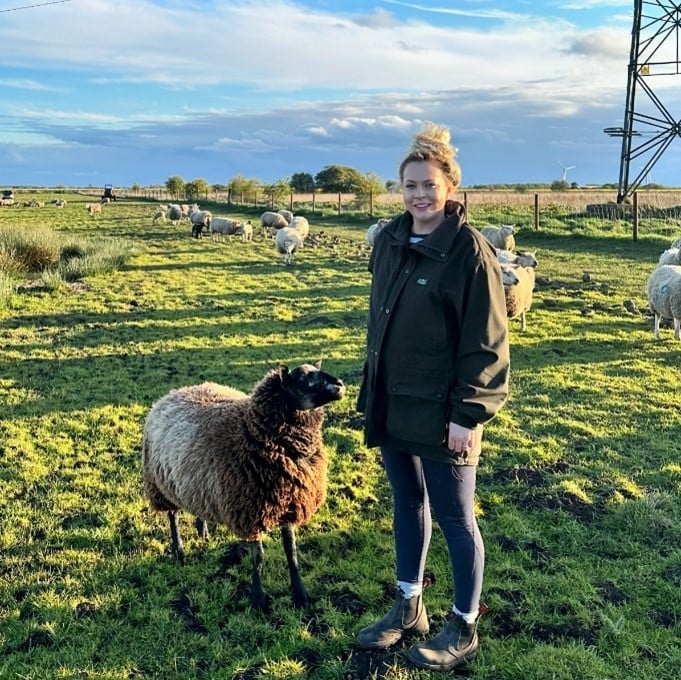
Harriet Foster-Thornton
Sheep Farmer & Founder of The Wild Shepherdess, North Lincolnshire
Commercial Texel flock (~100 ewes) + 20 pedigree Blue Texels
Can you tell us a bit about your farming system and how The Wild Shepherdess began?
I’m a sheep farmer in North Lincolnshire, and I run a flock focused mainly on finishing lambs. Alongside meat production, I also make use of sheep by-products like sheepskins and wool through my business, The Wild Shepherdess. My flock includes nearly 100 commercial Texel and Texel cross ewes, as well as a small pedigree group of 20 Blue Texels that I manage in collaboration with my fiancée. My journey into farming started at 21 when my parents gave me four Suffolk sheep. At the time, I was working full-time in marketing in London, but my passion for sheep farming kept growing until I eventually made the leap into farming full time.
What challenges come with running a flock while managing a busy business and working largely alone?
Much of the day-to-day work is done single-handedly, with support from my partner for bigger jobs like weighing and vaccinations. When you’re managing livestock alongside a diversified business, staying organised and keeping compliant records can be difficult — especially if you’re relying on scraps of paper or notes that can easily get lost or damaged. I wanted a simpler way to stay on top of treatments, medicine stock, and compliance without adding extra stress.
How do you use Herdwatch day-to-day, and which features matter most?
I’ve been using Herdwatch for the past two years, and getting started was incredibly easy. “The fact that there’s a free trial available… was incredibly helpful in assessing its suitability for my needs.” Herdwatch has become essential for: - Recording treatments instantly - Keeping medicine records compliant and up to date - Tracking medicine stock levels - Ordering remedies in advance - Using the barcode scan feature to save time and avoid manual entry “No more scribbling on muddy, torn paper! With the app, I can update treatment records instantly.” The barcode scanning and inventory tools have been real game-changers for keeping everything accurate and organised.
What difference has Herdwatch made to efficiency, compliance, and peace of mind?
Herdwatch has completely revolutionised how I manage farm records. It saves time, removes the stress of paperwork, and ensures everything is always compliant and accessible. “The ability to track medicine stock and order in advance is a game-changer.” I recommend Herdwatch to other farmers all the time — it’s become an indispensable tool for streamlining farm operations and allowing me to focus on the sheep and the business.
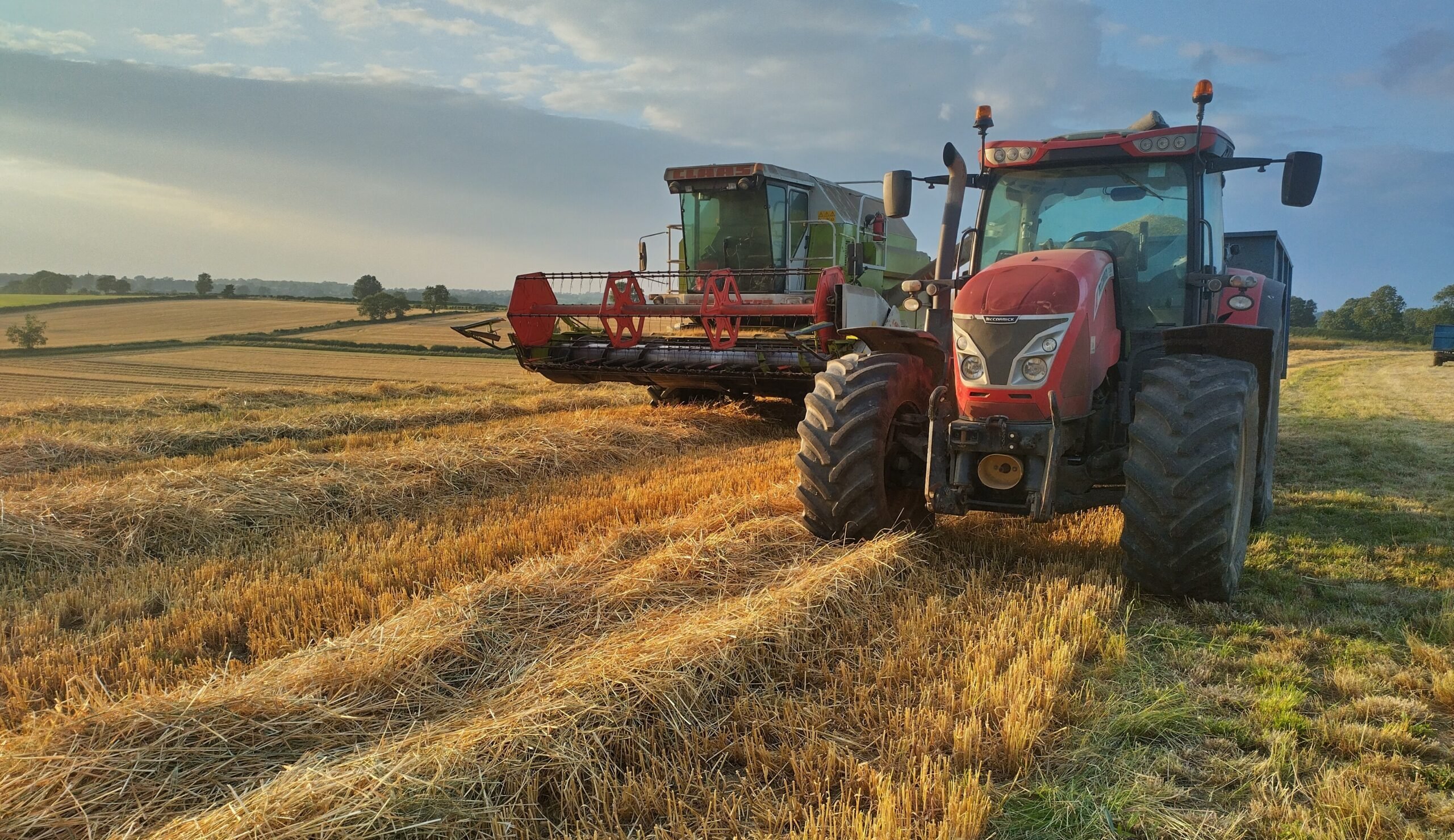
Simon Deacon
Beef & Sheep Farmer, South Kilworth, Lutterworth
600-acre mixed farm | 170 store cattle | 300 mule ewes
Can you tell us a bit about your farm and the system you run?
I farm in South Kilworth near Lutterworth, where my family has been farming for over a century. In 2013, I made a major career change, moving from managing IT systems to taking over the running of the family farm in partnership with my parents. Today, we operate a diversified enterprise with 300 acres of permanent pasture and a further 300 acres of arable land. On the livestock side, we run 170 store cattle, mainly dairy-cross types, which are finished indoors on straw over the winter. Alongside cattle, we also manage a flock of 300 mule breeding ewes, put to a Suffolk tup and lambing in March. We place a strong focus on efficiency, nutrition, and producing high-quality livestock through a sustainable, home-grown feeding system.
What were the biggest challenges you wanted to improve through technology?
As the farm expanded, it became more important to streamline operations and make decisions based on clear performance data. My priority was finding a system that could reduce admin workload, improve animal tracking, and support better profitability at an individual animal level. Cloud-based access was especially important to me — I wanted something modern, scalable, and easy to use across the business.
How do you use Herdwatch day-to-day, and which features matter most?
I started using Herdwatch about eighteen months ago, and the setup was incredibly straightforward. “Just get your BCMS details sorted, and you’re good to go.” Herdwatch stood out immediately because it’s cloud-based — choosing it was a no-brainer. I use it to help maximise animal performance and profit, particularly through: - Automated Insights for livestock performance analysis - The Kill Sheet feature, uploading slaughter or sales documents directly into the app - Grouping animals for drafting, shed management, and slaughter selection - Better visibility on weights, condition, and feeding outcomes Having kill sheet data automatically linked back to each animal has been especially valuable for understanding what’s working and where improvements can be made.
What difference has Herdwatch made to efficiency and decision-making?
Herdwatch has become an essential tool for streamlining day-to-day farm operations and improving decision-making. It allows us to stay organised, manage cattle more efficiently, and focus on profitability rather than paperwork. Creating groups helps us manage stock across sheds, plan movements faster, and ensure animals are kept at the right weight and condition. I strongly believe farmers need to continue embracing technology to stay efficient and competitive: “Farmers should continue to streamline their business to become more efficient by minimising costs and utilising cloud-based tools such as Herdwatch.”
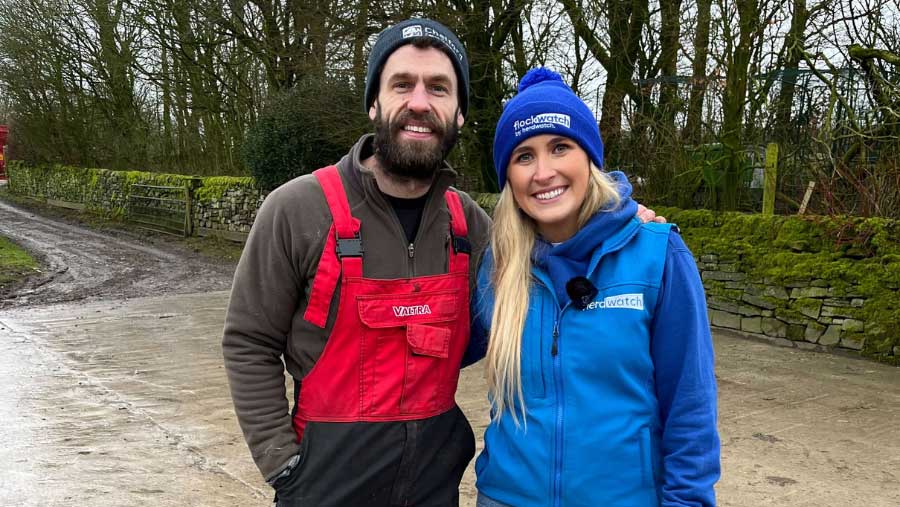
Kelvin Fletcher
New Entrant Farmer, Peak District, UK
120-acre low-input sheep farm | Fletcher’s Family Farm (ITV)
Can you tell us a bit about your journey into farming and the system you run today?
My farming journey began unexpectedly in 2020. My wife Liz and I were originally planning a move to California, but when the Covid-19 pandemic hit, everything changed. Instead, we found ourselves drawn to a rural lifestyle and moved to a beautiful 120-acre farm in the Peak District. I didn’t come from a farming background at all — I’ve always said I “knew nothing about agriculture” — but it didn’t take long before farming really drew me in. We currently run a low-input system, which allows us to balance farm life alongside our acting careers, and we’re enjoying the learning process and building the lifestyle step by step. Looking ahead, I’m also interested in adding cattle and exploring beef farming in the future.
What challenges did you face when starting out, especially with paperwork and organisation?
As a new entrant, one of the biggest challenges is keeping on top of the paperwork that comes with livestock farming — medicines, treatments, breeding records, and general compliance. Before using Herdwatch, I found myself with little notes dotted around everywhere, which isn’t ideal when you suddenly need the right information quickly. Getting organised was essential to making the system manageable.
How do you use Herdwatch day-to-day, and which features matter most?
We’ve been using Herdwatch for almost two years now, and I’ve found it very user friendly. “It’s really good, really simple, easy to use.” Herdwatch helps us stay on top of: - Medicine purchases and remedy records - Sheep treatments and health history - Breeding and flock recording - Having all key information accessible instantly The biggest advantage is that everything about the flock is stored in one place and available straight away. “The app’s great because there and then you can find out pretty much everything about your whole flock.”
What difference has Herdwatch made to your farming experience?
Herdwatch has helped simplify and organise farming for us, especially as we learn and build confidence in managing livestock. Instead of scrambling through paperwork or scattered notes, we now have clear records at our fingertips, which makes day-to-day farming far less stressful. For anyone starting out or trying to simplify their farm management, it’s a brilliant tool that makes the whole process much easier.
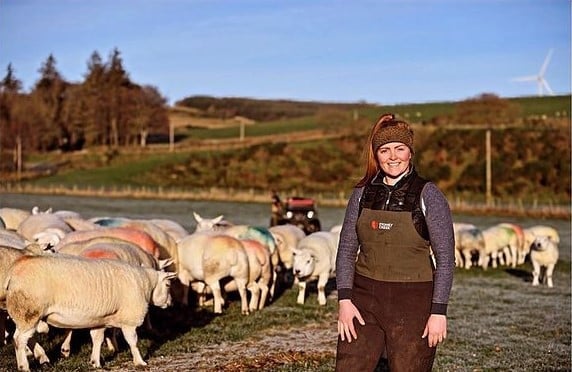
Nicola Wordie
Sheep & Suckler Farmer, North East Scotland
1,400-acre upland farm | 850 Scotch Mule ewes | 240 suckler cows
Can you tell us a bit about your farm and the system you manage?
I farm with my parents on a 1,400-acre upland farm in North East Scotland. Our system is a mix of both sheep and suckler cattle. We run around 850 Scotch Mule ewes, along with a small group of pure Texels mainly for tup replacement. Lambing starts indoors with Texels in mid-February, followed by early mules, with the main outdoor lambing beginning at the end of March. All lambs are finished on grass and mother’s milk, with sales running from May through to September. Alongside the sheep, we also manage 240 suckler cows, mainly Simmental and Limousin crosses, with split calving in spring and autumn. My focus is on producing top-quality stock, controlling costs, and improving performance year on year.
Before using Herdwatch, what were the biggest challenges with flock records and efficiency?
Like many farms, we were relying heavily on paper records, and it often meant that treatments, deaths, or movements were written down late or missed altogether. During busy periods like lambing, it was easy for information to build up, and paperwork could become stressful and time-consuming — especially when inspections required gathering lots of different documents. We needed a simpler way to keep records accurate, accessible, and up to date.
How do you use Herdwatch day-to-day, and which features matter most?
ve been using Herdwatch for almost a year now, and setting it up was incredibly straightforward. “Setting up Herdwatch was a breeze… the Herdwatch team promptly uploaded them onto the app for us!” We now use it to record: - Medicine purchases and treatments instantly - Deaths, movements, and key flock events - Lambing records quickly and accurately - Inspection-ready reports on sales, medication, and losses “I now input purchased medicines straight into the app… Previously, everything was done on paper.” It’s also extremely useful not having to take photos of tags or try to remember details later — everything is recorded there and then.
What difference has Herdwatch made to flock performance and peace of mind?
Herdwatch has genuinely changed the way we farm for the better. It encourages you to keep records more accurate and up to date, which makes a huge difference during lambing and when reviewing ewe performance. “Previously, we had to search for and compile various paper records, but now everything is conveniently stored and easily accessible on the app.” It saves time, reduces stress, improves organisation, and makes inspections far easier. “Herdwatch has changed the way we farm for the better. It’s modern, so simple to use, and it’s always there.” I’d strongly recommend it to any farmer looking to improve efficiency and record-keeping.
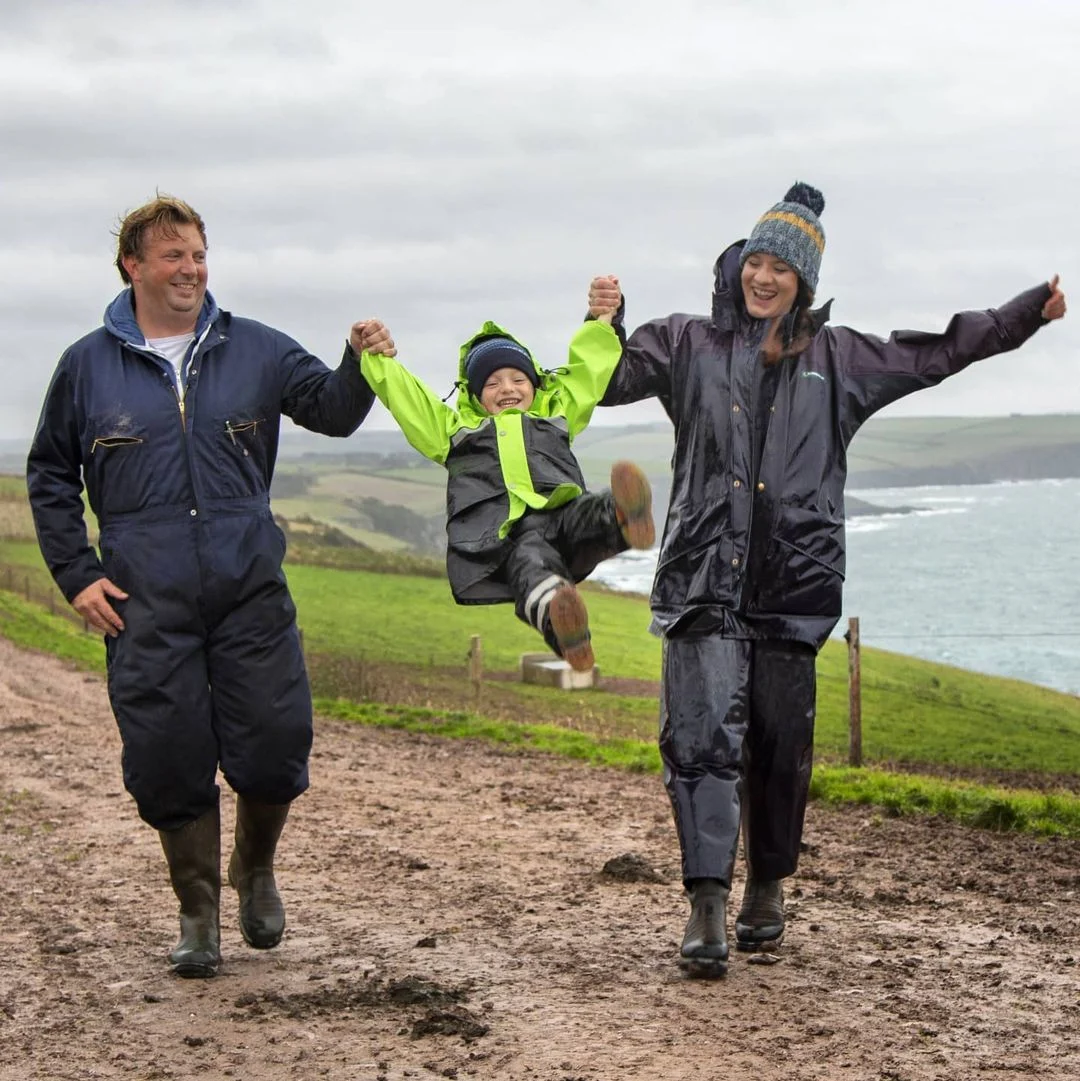
Holly & Adam Atkinson
Organic Dairy Farmers, South Devon
1,000-acre coastal farm | 600 Kiwicross cows | Spring block-calving grazing system
Can you tell us a bit about your farm and the system you run?
We farm on an organic dairy farm in South Devon, managing the business alongside our two young sons, Abel and Casey, and a dedicated team of three staff members. The farm spans around 1,000 acres and is home to 600 Kiwicross cows — a Jersey and Friesian cross that performs well in our grazing-based system. We operate a spring block-calving system to make the most of grass growth and optimise fresh forage availability. Adam manages the day-to-day running of the dairy, while also overseeing several other dairies and forage blocks within the wider Carswell Farms business. Holly plays a key role in calf rearing and supports the farm team, drawing on her background as a qualified vet. As an organic farm, sustainability, animal welfare, and environmental responsibility are at the heart of everything we do, with a strong focus on achieving an 80% milk-from-forage ratio.
What are the biggest challenges of running a large dairy farm while balancing family life and team management?
Running a large farm business comes with constant demands — not only livestock and performance, but also people management and family life. With young children, we’ve had to be very intentional about planning time off and creating space away from the farm. We also place huge importance on clear protocols, consistency across the team, and using data to reflect and improve decision-making. Holly has also trained as a Mental Health First Aider, which reflects how seriously we take the wellbeing of everyone working on the farm.
How do you use Herdwatch day-to-day, and which features matter most?
We first discovered Herdwatch through social media and were struck by how easy it was to get started. “Getting signed up to Herdwatch was extremely easy and very user friendly! There was no training needed… it was so straightforward.” Today, Herdwatch supports many key parts of our daily farm management, including: - Recording medicine purchases and treatments - Registering calves immediately at birth - Logging movements, deaths, and herd events - Accessing milk recording data on the phone - Using Farm Maps for grazing plans and contractor guidance - Keeping the whole team connected through shared records “Being able to register calves on the phone as soon as they are born is so handy and saves so much time previously wasted on the computer in the evenings.” Farm mapping has also been incredibly useful for colour-coding paddocks, sending maps to contractors, and planning grazing and fencing clearly.
What difference has Herdwatch made to efficiency, inspections, and peace of mind?
Herdwatch has removed a huge amount of stress from farm paperwork and compliance. Instead of searching through diaries or multiple systems, everything is recorded in real time and stored safely in one place. “With Herdwatch all our information is organised and easy to access, we are inspection ready at all times… Herdwatch has removed all of the stress around farm inspections!” Having the entire team able to record events as they happen has improved communication, reduced paperwork, and made the farm more efficient overall. For us, the biggest benefit is having all essential tools — compliance, calf registration, treatments, mapping, and milk data — in one simple app.
Will Roobottom
Pedigree Sheep Farmer & YouTube Creator, Staffordshire
500-acre mixed farm | 240 pedigree Lleyn ewes | Cowley Hill Farm YouTube Channel
Can you tell us a bit about your farm and the system you run?
I farm at Cowley Hill Farm in Staffordshire, where my family has been farming for over 10 generations. The main enterprise on the 500-acre farm is producing hay and haylage for the equine sector, but over the last nine years I’ve also built up a pedigree Lleyn flock, which now stands at around 240 breeding ewes. We run an A flock/B flock system: - The A flock produces pedigree Lleyn breeding stock - The B flock is crossed with Aberblack rams to produce finished lambs We breed our own replacements and are continually focused on improving flock performance and expanding in line with demand. “Performance recording is crucial for the future of our pedigree flock, especially when selling breeding stock.”
What challenges were you facing with paperwork and managing flock performance?
With pedigree sheep, accurate recording is essential — not just for compliance, but for breeding decisions, parentage, and performance improvement. Before moving to digital recording, paperwork was taking up far too much time, especially as I balance farming with running my YouTube channel. I strongly believe modern farming businesses need to keep innovating to stay efficient: “I feel as though continually innovating the business with modern practices is crucial in improving efficiency.”
How do you use Herdwatch day-to-day, and which features matter most?
I’ve been using Herdwatch since the sheep features were introduced, and it has saved a huge amount of time that would previously have been wasted on paperwork. I first discovered it through an advertisement: “I found out about Herdwatch through seeing an ad pop up… it was a no brainer to give it a go.” We use Herdwatch alongside a Tru-Test XRS2 EID reader, which makes recording incredibly straightforward. Once sheep were scanned in, we could use smart groups to manage tasks quickly. Key things I record in Herdwatch include: - Daily liveweight gain (DLWG) - Bloodlines and breeding history - Treatments and medicine purchases - Weight recording and performance tracking - Lambing events and parentage “Using Herdwatch at lambing time has made it so easy to record our lambs’ parentage without masses of paper.”
What difference has Herdwatch made to efficiency and decision-making?
Herdwatch has completely streamlined how we manage flock records and make breeding decisions. Having performance data in one place makes it far easier to select replacement ewe lambs, monitor growth, and keep improving the pedigree flock year after year. It’s especially valuable during lambing, when recording needs to be quick, accurate, and stress-free. “I have recommended the app to every sheep farmer I know! The biggest benefit… is having all your information needed in your back pocket ready to use at any given time.” For me, Herdwatch has become essential for running an efficient flock alongside the demands of modern farming and content creation.
Christine & Mark Robinson
Part-Time Sheep Farmers, Glens of Antrim, Northern Ireland
38-acre farm | 90 ewes (mainly Poll Dorsets) | Haylage & hay enterprise
Can you tell us a bit about your farm and the system you run?
We farm part-time in the Glens of Antrim in Northern Ireland, alongside working full-time jobs. We’ve been farming for around ten years now and manage 38 acres of land. Our flock consists of around 90 ewes, mainly Poll Dorsets, along with a few Swarvels and a new spotted Dutch ram. Alongside sheep, we also make haylage and hay for both sale and farm use throughout the year. We both come from farming backgrounds, which has really shaped our love of agriculture from a young age. “I have fond memories of my childhood farming experience… and I hope to share this with my own family in the future.” Our focus is on running a sustainable business built on good welfare, careful cost control, and steady long-term growth.
What challenges come with running a sheep farm while working full-time off-farm?
Time efficiency is one of the biggest challenges for us. With both of us working full-time, we need systems in place that allow the farm to run smoothly without creating unnecessary workload. Lambing season in particular can be hectic, and record-keeping used to become messy and time-consuming. We were often trying to track information through WhatsApp messages and spreadsheets, which meant doing everything twice. We’re also continuously investing in improvements — from fencing and reseeding fields to plans for better handling facilities and expanding shed space — but managing time alongside those projects is crucial.
How do you use Herdwatch day-to-day, and which features matter most?
Herdwatch has been a complete game changer for our flock management. We first learned about it when Mark attended a course at Greenmount and was introduced to new software tools that could support farm businesses. “Getting signed up to Herdwatch was very easy… it was really reassuring to have the Herdwatch Customer Support team available to support us every step of the way.” We now use Herdwatch for: - Recording flock health and medicine usage - Managing breeding groups and ewe history - Recording lambing events instantly on the spot - Weight recording to monitor lamb growth - Generating Farm Assurance reports quickly - Using farm maps to support grazing and fertiliser planning “Now that we use Herdwatch, we can easily add lambs to our flock… and saves a lot of time and unnecessary admin.” Using an EID reader alongside the app has also made recording far faster and more accurate than pen and paper.
What difference has Herdwatch made to decision-making, compliance, and peace of mind?
he biggest difference Herdwatch has made is removing guesswork and reducing stress. Having performance and health history available instantly helps us make more objective breeding and culling decisions, rather than relying on memory or bias. “All the reports we need for Farm Assurance are available at the click of a button… instead of pulling out paper records.” It has also transformed lambing record-keeping, helped us monitor weights for sale readiness, and ensured our medicine records are always up to date. “This app could be a saving grace for most farmers, taking away a lot of undue stress when things are busier than ever.” We are big advocates of Herdwatch and would strongly recommend it to any farmer looking to modernise their flock records and save time.

Cammy Wilson
Sheep Farmer & YouTube Creator (The Sheep Game), Ayrshire, Scotland
1,000-acre seasonal grazing system | 1,000 head sheep flock
Can you tell us a bit about your farm and how The Sheep Game began?
I farm in Ayrshire in the South West of Scotland, running around 1,000 sheep on approximately 1,000 acres of seasonal grazing and rented ground. I farm with my partner Lizzie and our young son Jock — although he’s still “in the growing stage”! I was born and bred on this farm. My father was a shepherd here for most of my life, and sheep have always been something I’ve loved doing. Alongside farming, I also run The Sheep Game YouTube channel, which has grown far beyond anything I expected — now with over 150,000 followers and more than 50 million views. Before going full-time farming, I actually spent 12 years as a police officer. “The Sheep Game social media and merchandise gave me enough income… and allowed me to go into full-time farming. It has changed my life massively!”
What challenges were you facing with paperwork and recording on a busy sheep farm?
With a flock of this size, there’s always something happening — lambing, treatments, movements, health issues — and keeping records up to date can be difficult. Before using Herdwatch, I was taking photos of ear tags, medicine bottles, or writing notes in my phone with good intentions of updating everything later. But realistically, that rarely happened. “It would usually be a month down the line back tracking through photos… it was just quite a farce!” We wanted a better way to move forward, especially coming into lambing season, and to save time for both farming and my work with YouTube and shearing.
How do you use Herdwatch day-to-day, and which features matter most?
I’ve been using Herdwatch for around six months now, and it’s become an all-in-one tool for recording everything I need on the sheep farm. It allows me to: - Record movements on and off the farm - Register lambs against individual ewes - Log medicines and treatments instantly - Add notes and references for specific sheep - Record sale prices and track performance over time One of the biggest advantages is how quick it is to use out in the field. “If I see a sheep with mastitis… I type the last four digits of her ear tag into the app there and then… and record she’s had that jab straight away.” My favourite feature is being able to record movements and prices when animals are sold, so I can refer back to that information later.
What difference has Herdwatch made to efficiency and peace of mind?
Herdwatch has completely changed how I manage records — it saves time, keeps everything organised, and removes the hassle of trying to catch up weeks later. The simplicity is the key. “I would absolutely recommend Herdwatch to other farmers… you don’t have to go into some six-week training program to master it.” It’s easy, straightforward, and genuinely enjoyable to use — which is not something you’d always say about paperwork! For me, it’s made farm management far more efficient and freed up more time for shearing and content creation, while keeping the flock records accurate and up to date.

Kate & Kevin Hoare
Dairy Farmers, Tideford, South-East Cornwall
100 British Friesian cows | 134-acre home farm + rented land | Family-run business
Can you tell us a bit about your farm and the system you run?
We are full-time dairy farmers farming in Tideford in South-East Cornwall. We took on Trenance Farm in January 2018 through Cornwall County Council and started our own dairy business after transferring Kate’s family milk contract with Arla and moving 30 cows across from her father’s herd. Today, we milk around 100 British Friesian cows, with a strong focus on building the herd through first-calving heifers. Alongside dairy, we also keep our beef calves and sell them as store cattle. We farm in partnership as a couple while raising three young children. We also employ a part-time worker to cover four milkings per week, which helps us create more balance between farm work and family life.
What investments and changes have you made to improve the farm business?
Since arriving at Trenance, we’ve invested heavily in improving infrastructure and sustainability. This includes: - Installing a bore hole to reduce water costs - Fencing boundaries and adding water troughs in every grazing field - Building a new dry cow shed, workshop, and hard standing areas - Adding new silage and maize clamps One of the most exciting developments has been installing a biomethane slurry lagoon in partnership with Cornwall Council and Bennamanns. This allows us to capture methane from slurry and convert it into fuel, improving environmental performance while preparing for future slurry emissions regulations. Sustainability and long-term efficiency are central to how we want to develop the farm.
How do you use Herdwatch day-to-day, and which features matter most?
Like many farmers, we were spending hours in the evenings catching up on paperwork, and we knew something had to change. “I googled dairy farm management app and Herdwatch came up… I signed up that night, it was really easy and I was up and running in a few minutes.” We now use Herdwatch every day for: - Recording and scanning medicine purchases - Logging treatments instantly - Registering calves at birth - Recording cattle movements on the spot - Breeding and herd management - Running inspection-ready reports “It’s a super easy app to use… vet visits are quicker because I have all previous treatments to hand on my iPhone.” Instead of writing everything into a diary and trying to catch up later, we record events as they happen, which means nothing gets forgotten or mixed up.
What difference has Herdwatch made for compliance, stress, and family time?
Herdwatch has completely transformed how we handle paperwork and inspections. “The last inspection we had was super easy… I pulled out the reports from the app in seconds and just emailed them onto the inspector.” Instead of messy folders and last-minute stress, everything is organised, accurate, and ready whenever needed. For us, the biggest benefit is time. “The biggest benefits for me are knowing all the paperwork is looked after, and the amount of time I save to get my evenings back to spend with the kids.” Balancing farming with a young family isn’t easy, but Herdwatch has helped reduce workload, ease stress, and give us more time where it matters most.
Ready to see what Herdwatch could do for your farm?
Join thousands of farmers across the UK and Ireland who already use Herdwatch to simplify record keeping, stay compliant and make better decisions.
Herdwatch is trusted by dairy, beef, suckler, sheep and mixed farms across the UK and Ireland. Whether you manage a small family herd or a large finishing unit, our farm management app helps you cut paperwork, stay inspection-ready and make more informed, data-driven decisions.