


Pneumonia and Respiratory Disease in Calves, Lambs & Cattle
Pneumonia and other forms of respiratory disease pose a major threat to livestock health and farm profitability, especially in calves and lambs. Whether you’re preparing for calving season, managing housing during wet winters, or tackling outbreaks in summer, knowing how to act fast and prevent disease spread is essential.
What is pneumonia?
Pneumonia is an inflammation of lung tissue typically triggered by a combination of viral infections, such as respiratory syncytial virus (RSV), and secondary bacterial infections. It falls under the broader category of bovine respiratory disease (BRD) in cattle and is one of the most common causes of death and underperformance in neonatal calves, lambs, and young stock.
The UK cattle industry alone loses an estimated £50 million per year due to pneumonia, not including hidden losses such as poor daily live weight gain (DLWG), reduced feed efficiency, and increased disease susceptibility.
What causes pneumonia in calves, sheep, and cattle?
Understanding what causes pneumonia in sheep and cattle is vital to effective prevention. It’s rarely one single factor—most cases result from a combination of pathogens, environmental stress, and weakened immune responses.
Primary causes:
- Viruses: e.g., respiratory syncytial virus and parainfluenza
- Bacteria: Pasteurella multocida, Mannheimia haemolytica
- Poor calf housing: Damp, cold, overcrowded spaces without proper ventilation
- Colostrum management: Calves lacking passive immunity from poor-quality or delayed colostrum intake
- Stressors: Weaning, transport, regrouping, sudden temperature shifts
- Weather: Summer storms and winter cold snaps can both trigger summer pneumonia or seasonal outbreaks
How to tell if a lamb or calf has pneumonia
Early detection saves lives. If you’re wondering how to tell if a lamb has pneumonia, monitor animals closely, especially during known risk periods. Signs of respiratory infections often develop quickly and include:
- Coughing, wheezing, or other signs of respiratory distress
- Discharge from the nose, often thick or discoloured
- Lethargy and reluctance to move
- Elevated body temperature (fever)
- Reduced appetite and weight gain
- Droopy ears and a tucked-up appearance
- Rapid or laboured breathing
Animals with viral pneumonia may appear dull before secondary infections take hold and escalate symptoms.
How to treat pneumonia in cattle, calves, and lambs
Despite strong prevention efforts, pneumonia can still occur. Knowing how to treat pneumonia in cattle or what to give a calf with pneumonia can make all the difference in recovery.
Treatment:
- Antibiotics: Vet-prescribed to treat bacterial infection
- Anti-inflammatories: To ease pain and reduce lung inflammation
- Supportive care: Provide warm, dry bedding, hydration, and nutrition
- Isolation: Remove affected animals from the group to prevent further spread
- Monitoring: Track temperature, feeding behaviour, and breathing rate
Consult your vet for a tailored vaccination protocol and treatment plan based on the type and severity of pneumonia affecting your herd or flock.
How to prevent pneumonia
Preventing pneumonia and other respiratory diseases begins with strong management practices, good housing, and stress reduction.
Here are some strategies to consider:
Calf housing
- Ensure good ventilation without cold draughts
- Provide at least 1.5m² lying space and 7m³ air volume per calf
- Use deep, dry bedding and clear effluent drains
Immunity
- Ensure calves receive high-quality colostrum within 2 hours of birth for passive immunity
- Offer a balanced diet with vitamins and minerals to support immune response
Vaccination
- Develop a vaccination protocol with your vet
- Target known viral and bacterial pathogens, including respiratory syncytial virus
- Vaccinate at key stress points (weaning, housing, transport)
Stress
- Avoid mixing different age groups
- Handle animals gently and keep movements to a minimum
- Plan transitions like weaning carefully
Economic impact
Pneumonia leads to more than just short-term illness—it can have lasting impacts on productivity, meat quality, and lifespan. Affected animals take longer to finish, require more feed, and are more prone to illness throughout their lives.
In fatal cases, the cost can exceed £500 per animal. Chronic pneumonia leaves lasting damage to lung tissue, reducing growth rates and leading to recurring illness.
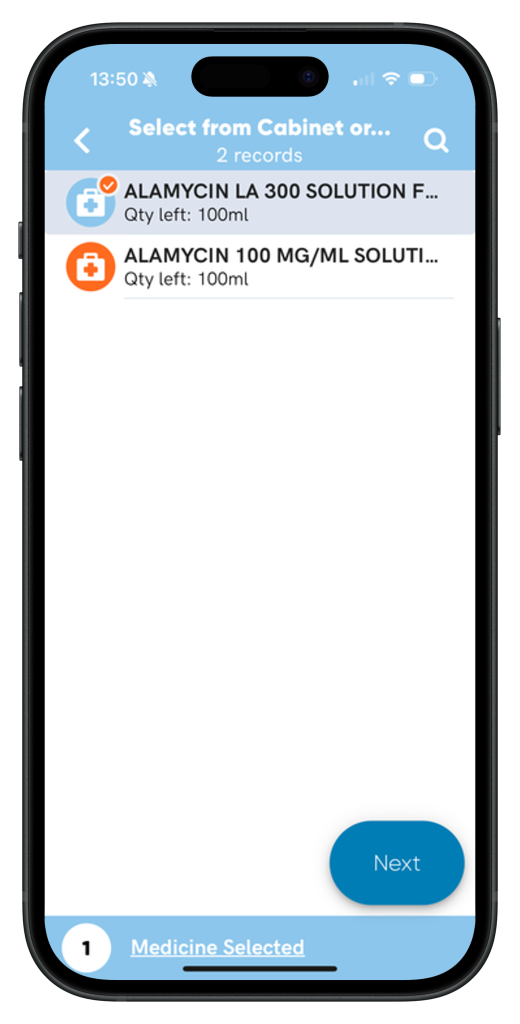
Use Herdwatch to track treatments
Accurate, up-to-date record keeping is essential for inspections and managing your herd’s health effectively.
With the Herdwatch app, you can:
- Record treatments instantly from your phone
- Scan barcodes to ensure medicine accuracy
- Set withdrawal dates automatically
- Maintain a full digital medicine book—no paper needed
- Track individual or batch-level treatments
How to record a treatment in Herdwatch:
- Click the Orange Plus Button
- Choose Cattle Treatment
- Select from the remedy cabinet or enter manually
- Choose the treatment and date
- Fill out required details
- Tag animals and Save
Call our friendly team today for a demo or download the app to get started.