


Preparing for Autumn Grazing: Pasture Management Tips in a Dry Year
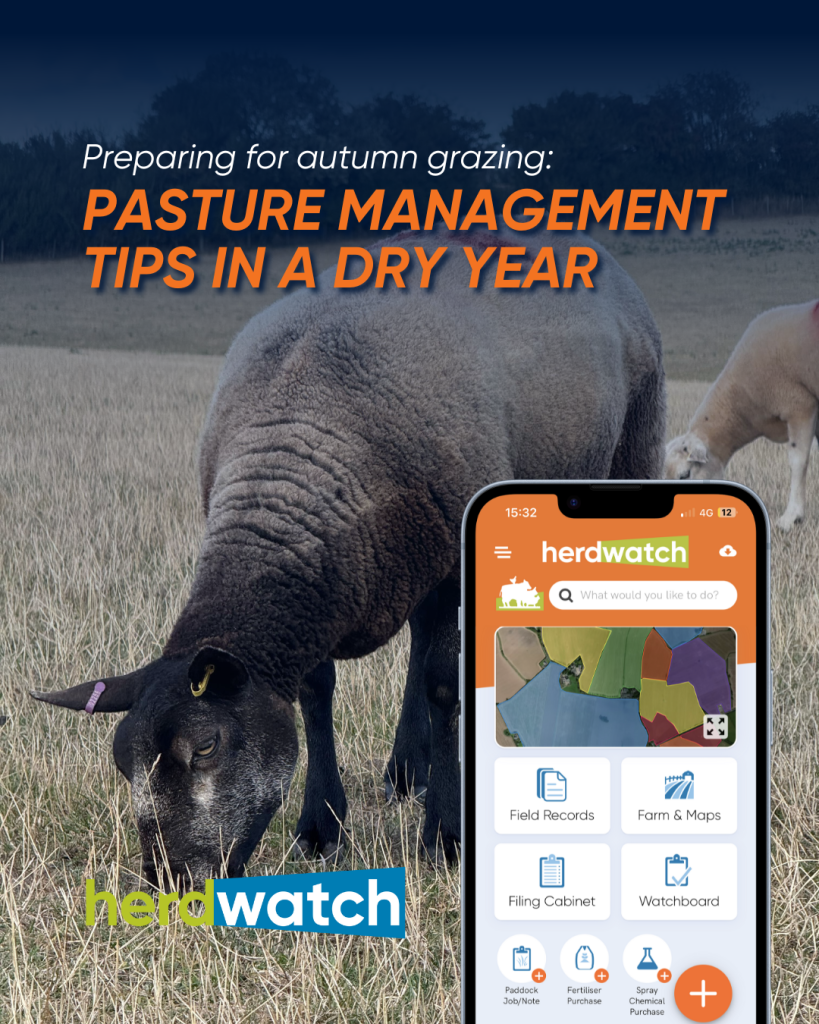
As the UK edges into autumn, many farmers are facing a tough reality: scorched fields, slow regrowth, and dwindling fodder reserves. With drought conditions biting hard, preparing for autumn grazing requires more than routine planning, it demands strategic thinking, creative solutions, and a bit of grit.
Here’s how to make the most of your pasture as the season shifts.
Rethink Rotational Grazing
Rotational grazing is always a smart way to protect pasture health, but in a dry year, it becomes essential.
- Extend rest periods: Grass is growing slower, so paddocks need longer recovery times. Consider increasing rotation lengths to avoid overgrazing.
- Reduce stocking pressure: If possible, lower the number of animals per acre to reduce stress on struggling swards.
- Use sacrifice paddocks: Designate a small area for concentrated grazing to protect the rest of your pasture. It’s not ideal, but it can preserve long-term productivity.
Tip: Walk your fields regularly. Visual cues like leaf colour, soil cracking, and root depth can guide your rotation decisions better than the calendar.
Reseeding: Timing and Technique
Reseeding in drought conditions is tricky, but not impossible.
- Wait for moisture: Don’t rush. Seeding into dry soil risks poor germination and wasted effort. Monitor forecasts and aim for a window after rainfall.
- Choose resilient mixes: Opt for drought-tolerant species like cocksfoot, plantain, or deep-rooting clovers. These can handle stress better and recover faster.
- Consider overseeding: If full reseeding isn’t viable, overseeding thin areas can boost density without disturbing the soil too much.
Tip: Try a nurse crop like forage rape or kale to protect young grass and provide emergency grazing.
Maximising Grass Growth Before the Slowdown
With daylight hours shortening and soil temperatures dropping, every blade of grass counts.
- Apply nitrogen wisely: A light application of nitrogen (if permitted and safe) can stimulate late-season growth. Avoid heavy doses, they’re wasteful in dry soils.
- Control grazing intensity: Avoid grazing below 4cm. Leaving enough leaf area helps photosynthesis and regrowth.
- Manage weeds and compaction: Drought often reveals underlying soil issues. Spot-treat weeds and consider aeration if compaction is limiting root development.
Fodder Planning: Think Beyond Grass
If pasture growth stalls, alternative feed sources may be your lifeline.
- Silage stretchers: Mix silage with straw or wholecrop to extend supplies.
- Buy-in options: Monitor local markets for hay, straw, or feed blends.
- Utilise hedgerows and margins: In some cases, underutilised areas can offer emergency grazing (check environmental scheme rules first).
Autumn grazing in a drought year isn’t business as usual. It’s about protecting what you have, planning for what you don’t, and adapting to what nature throws your way. With careful management, you can keep livestock fed, pastures alive, and your system resilient.
Stay safe, stay flexible, and fingers crossed the rain comes soon!